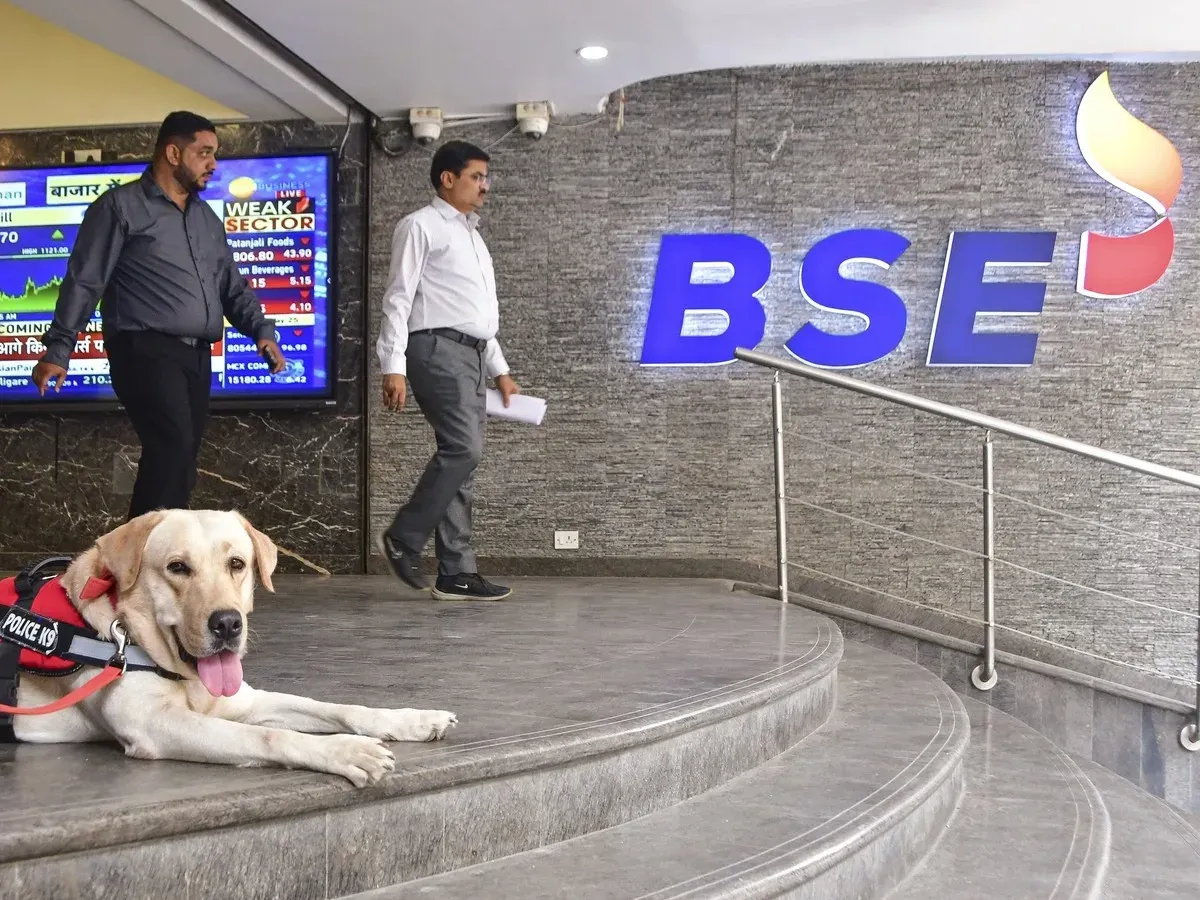
The US Commodity Futures Trading Commission (CFTC) has approved the BANKEX Index Futures contract offered by the Bombay Stock Exchange (BSE), making it the first Indian sectoral index futures contract to receive such approval. This approval enables US investors to access the Indian banking sector through a well-regulated and transparent platform.
- BANKEX futures contract completed the CFTC's 45-day expedited review process successfully.
- The contract meets requirements under the US Commodity Exchange Act and CFTC regulations.
- US investors can now buy and sell BANKEX futures, gaining exposure to Indian banking stocks.
- The approval could increase trading volumes, liquidity, and revenues for BSE's derivatives business.
- BSE aims to expand its product offerings to global investors following this development.
What is the BANKEX Index and its Futures Contract?
BANKEX is a sectoral index created by BSE that tracks the performance of leading banking stocks listed on the exchange. The futures contracts based on BANKEX allow investors to take positions on the overall Indian banking sector without trading individual stocks.
For example, an investor who expects the banking sector to perform well can take a bullish position by buying BANKEX futures. Conversely, institutional investors holding banking stocks can hedge against potential losses by selling these futures contracts.
Why Did BANKEX Futures Require US CFTC Approval?
Although BANKEX is an equity index, its futures contracts are derivatives regulated by the US Commodity Futures Trading Commission. The CFTC oversees futures contracts offered to US investors, including those based on foreign equity indices.
Therefore, BSE needed approval from the CFTC to offer and sell BANKEX futures contracts to investors based in the United States. This regulatory clearance ensures that the contracts comply with US laws and provide a secure trading environment.
How Will This Approval Benefit BSE and Investors?
The approval opens BSE’s derivatives market to a wider pool of international institutional investors, including asset managers, hedge funds, and proprietary trading firms. This can lead to increased trading activity, improved market depth, and higher liquidity for BANKEX futures.
For BSE, attracting US investors could support growth in its derivatives business and potentially increase transaction-related revenues over time. The exchange also plans to continue expanding its range of products available to global investors.
What Are the Potential Risks and Considerations?
While the CFTC approval is a significant milestone, it does not guarantee immediate financial gains for BSE. The extent of benefits depends on actual participation by US investors and sustained growth in trading volumes.
Investors should also be aware that trading in futures contracts involves risks, and participation is subject to Indian securities market regulations.
Who is BSE and What Are Its Offerings?
Founded in 1875, the Bombay Stock Exchange is Asia’s oldest stock exchange and one of the largest globally in terms of listed companies. BSE offers trading in equities, debt securities, derivatives, currencies, and commodities.
Its benchmark index, the Sensex, is widely followed by investors worldwide. BSE also provides market data services, including real-time and historical trading information.
Frequently Asked Questions
Q: What does the BANKEX futures contract represent?
A: It represents a derivative instrument based on the BANKEX index, which tracks the performance of leading banking stocks listed on BSE.
Q: Why is US CFTC approval important for BANKEX futures?
A: The approval allows BANKEX futures to be legally offered and sold to US investors, ensuring compliance with US regulations and providing a regulated trading platform.
Q: How can investors use BANKEX futures?
A: Investors can use BANKEX futures to gain exposure to the Indian banking sector or hedge their existing positions in banking stocks.
Q: Does this approval guarantee increased profits for BSE?
A: No, actual financial benefits depend on the level of participation by US investors and growth in trading volumes over time.
Q: What is the significance of this approval for Indian markets?
A: It marks a step forward in integrating Indian financial products with global markets and expanding access for international investors.