The European Union has imposed a 9.5% anti-dumping duty on certain cold-rolled flat steel products imported from India. This duty aims to protect the EU steel industry from unfairly low-priced imports. Major Indian steel producers such as JSW Steel and Tata Steel are directly affected by this decision, which could influence their export competitiveness and financial outcomes.
- EU imposed a 9.5% anti-dumping duty on specific Indian steel products.
- JSW Steel and Tata Steel are the main Indian companies impacted.
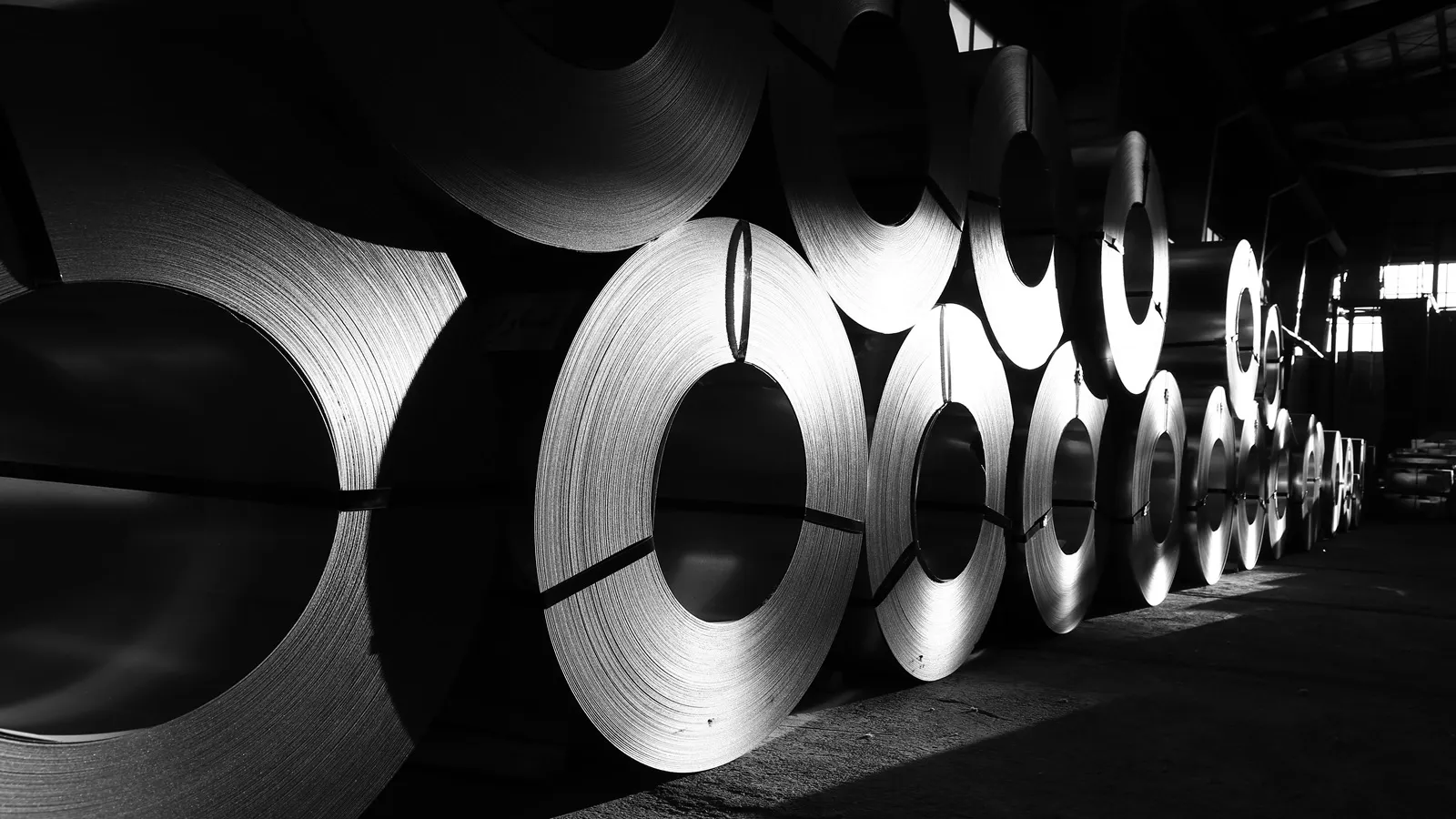
- The duty targets cold-rolled flat steel used in manufacturing sectors.
- Other Indian steelmakers have limited exposure to the affected products.
- The duty may benefit Tata Steel's European operations by reducing competition from imports.
What is the EU's anti-dumping duty on Indian steel?
The European Commission has set a 9.5% anti-dumping duty on certain cold-rolled flat steel products imported from India. This measure follows an investigation that found these products were being sold in the EU at unfairly low prices, which harmed the local steel industry. The duty increases the cost of these imports to protect European steel producers.
Which Indian companies are affected by this duty?
JSW Steel and its subsidiary JSW Steel Coated Products, along with Tata Steel India, are the Indian producers covered by this duty. They export the specified cold-rolled flat steel products to the EU and will face the additional 9.5% tax on these exports. Other Indian steelmakers are less affected due to their limited exports of these products to the EU.
Why did the EU impose duties on steel from multiple countries?
The EU imposed anti-dumping duties not only on Indian steel but also on imports from Japan, Taiwan, Turkiye, and Vietnam. The duties range from 3% to nearly 28%, depending on the country. The investigation revealed that cold-rolled flat steel from these countries was entering the EU market at dumped prices, threatening the local industry.
What is cold-rolled flat steel and why is it important?
Cold-rolled flat steel is a type of steel processed to have a smooth surface and precise dimensions. It is widely used in manufacturing automobiles, appliances, and construction materials. The EU market for these products is valued at approximately €23.2 billion and supports thousands of jobs across multiple countries.
How might this duty impact Tata Steel's European operations?
While Tata Steel's Indian operations face the 9.5% duty, its European businesses in the Netherlands and the UK might benefit. The duty makes competing imports from India and other countries more expensive, potentially improving Tata Steel Europe's competitive position. However, the actual advantage depends on how much imported steel is replaced by local production and the company's ability to increase sales.
What factors did the EU consider in its investigation?
The EU took into account government measures in India that affected domestic iron ore prices, a key raw material for steel production. These factors contributed to the assessment that Indian steel was being dumped in the EU market. The investigation was considered significant for trade defense beyond just the steel sector.
What is an anti-dumping duty?
An anti-dumping duty is an additional tax imposed on imported goods when they are sold at unfairly low prices that harm domestic industries. In this case, the duty raises the cost of imported steel, helping EU steelmakers compete fairly against cheaper foreign products.
Source: European Commission announcement and market analysis as of November 17, 2026.