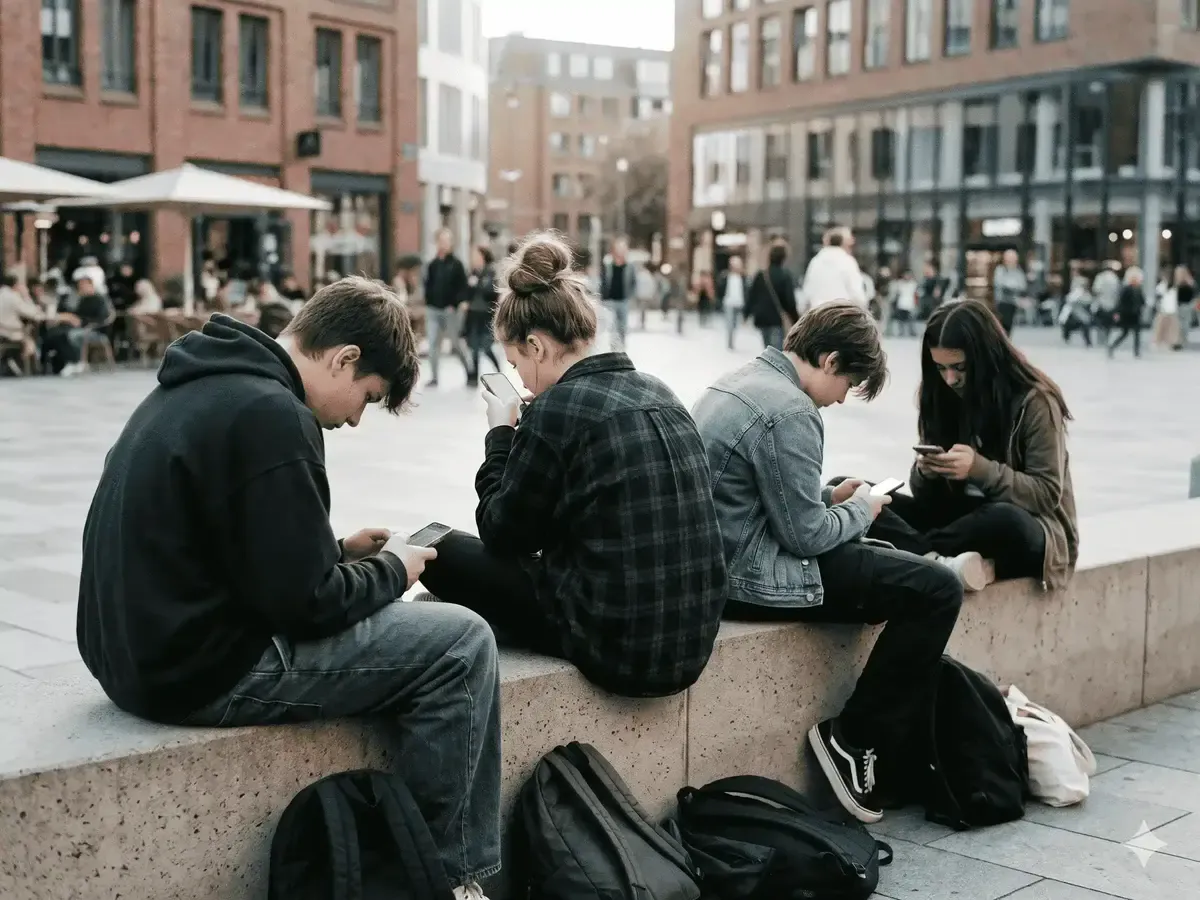
One year after Australia implemented a social media ban for children under 16, the overall impact remains mixed. While fewer minors own social media accounts, many tech-savvy teenagers have found ways to bypass age-verification checks. This raises the question: can social media bans effectively protect young users?
- Minors' social media account ownership dropped from 52% to 42% after the ban.
- Age-verification tools like facial scans are easy for teens to bypass.
- The ban restricts access but does not change harmful content or addictive algorithms.
- Mental health issues among adolescents have more than doubled globally in 30 years.
- Experts suggest digital literacy and mental health support over outright bans.
What changes has the social media ban brought in Australia?
Australia's ban on social media use by children under 16 started on December 10, 2025. According to the government’s eSafety regulator, the percentage of social media accounts owned by minors dropped from 52% to 42%. Despite this decrease, many young people quickly adapted by bypassing new age-verification prompts, including facial scans and behavior analysis.
Children reported to UNICEF Australia that these restrictions are easy to avoid, showing how digitally fluent they are. Although fewer children own accounts, the way they spend time online has not changed significantly.
Why do experts question the effectiveness of social media bans?
While the ban limits who can create accounts, it does not affect the content shown on social media feeds. Algorithms that promote addictive and sometimes harmful content remain unchanged. Social media platforms are often designed to be addictive, which can negatively impact children's mental health.
Global studies show that mental health disorders among adolescents have more than doubled over the last three decades. Social media’s addictive nature and exposure to harmful content are linked to this increase.
What do young people and advocates say about social media restrictions?
Some young people oppose outright bans, arguing that they face many challenges like economic crises and political instability, yet are restricted from social media. They suggest that teaching critical thinking and digital literacy, along with better mental health support, would be more effective than bans.
Advocates warn that restricting access might isolate children and worsen mental health. Lucy Thomas, CEO of Project Rockit, explains that social media can be a source of connection and support for young people.
What alternatives to bans are being considered?
There is a growing consensus that technology companies should take responsibility for the content shown on their platforms. For example, Meta agreed to limit Instagram and Facebook use for teens in the US, including restricting daily use and removing addictive features.
Experts and youth advocates call for better regulations, transparency about algorithms, and education on safe social media use rather than simple bans.
Frequently Asked Questions
Q: Has the social media ban reduced harmful content for children?
A: No, the ban restricts access but does not change the harmful or addictive content that appears on social media feeds.
Q: Can children easily bypass age-verification tools?
A: Yes, many digitally skilled teenagers find ways to bypass facial scans and behavior analysis used for age verification.
Q: What impact has social media had on adolescent mental health?
A: Mental health disorders among adolescents have more than doubled globally in the last 30 years, with social media’s addictive nature and exposure to harmful content contributing factors.
Q: What do experts suggest instead of banning social media?
A: Experts recommend promoting digital literacy, critical thinking, mental health support, and holding tech companies accountable for harmful content.
Australia’s social media ban is an early step in addressing youth online safety, but its mixed results highlight the need for more comprehensive approaches worldwide.