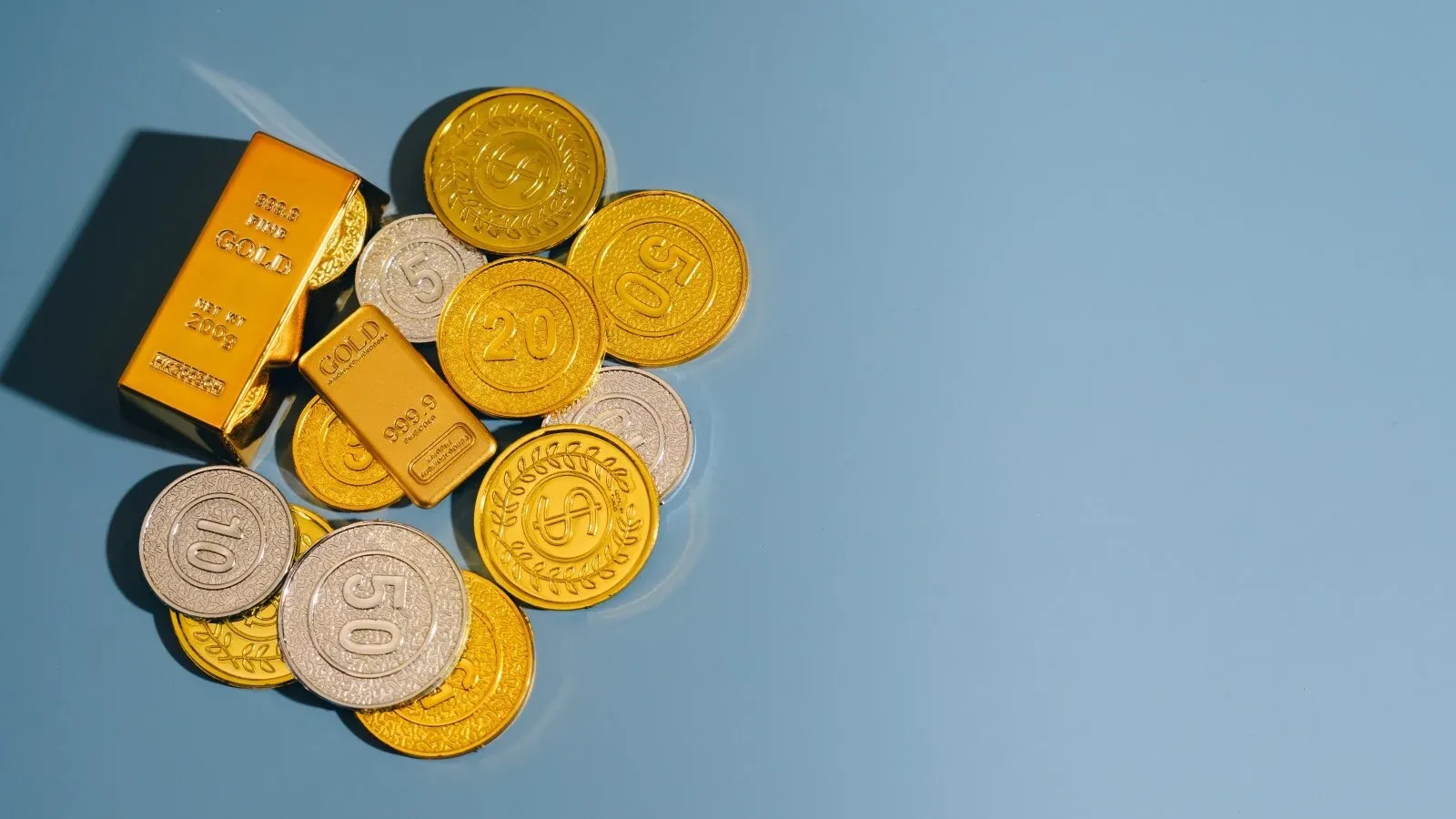
Gold and silver prices have fallen in November 2026, with gold trading at ₹13,680 per gram for 24 karat and silver at ₹190 per gram. This decline places gold ₹780 below its peak on November 9 and silver down 9.5% from its high on November 5. The drop follows a period of increased prices during the festive season and reflects changing market demand.
- Gold price for 24 karat is ₹13,680 per gram, ₹780 below November 9 peak.
- Silver price is ₹190 per gram, down 9.5% from November 5 high.
- Gold prices in Delhi are slightly higher than other cities.
- Prices rose during Dhanteras and Diwali but have declined since.
- Silver's price movement is more volatile due to industrial demand.
- Wedding season buyers benefit from lower entry prices.
What are the current gold and silver prices in November 2026?
As of November 16, 2026, 24 karat gold is priced at ₹13,680 per gram across most major cities including Mumbai, Chennai, Kolkata, Bengaluru, Hyderabad, Pune, and Kerala. In Delhi, the price is slightly higher at ₹13,695 per gram. Silver is trading at ₹190 per gram nationwide.
For other gold purities, 10 grams of 24 karat gold costs ₹1,36,800, 22 karat gold is ₹1,25,400, and 18 karat gold is ₹1,02,600.
How have gold and silver prices changed since early November?
Gold has decreased by ₹208 per gram, or 1.5%, compared to its November 1 price of ₹13,888. It is ₹677 below its Diwali rate of ₹14,357 and ₹780 below the November 9 peak of ₹14,460.
Silver has experienced a sharper decline, falling 5% below its November 1 price and 9.52% below the November 5 high of ₹210 per gram.
Why have gold and silver prices fallen after the festival season?
Prices rose leading up to Dhanteras and Diwali due to increased demand, with gold gaining ₹714 per gram over four sessions until November 5 and silver reaching ₹210 per gram the same day. After the festivals, demand decreased, and many holders sold their metals, causing prices to retreat.
The recent price drop after a brief pause indicates that the decline is not just a short-term correction but a continuation of reduced demand.
Why is silver's price decline steeper than gold's?
Silver tends to be more volatile than gold because it is influenced by both investment and industrial demand. This dual demand causes silver prices to move more sharply in both directions, leading to a steeper decline compared to gold.
What does this mean for buyers during the wedding season?
The wedding season, starting later in November, typically increases demand for gold and silver. However, with prices lower for the third consecutive week, buyers can take advantage of improved entry prices before demand rises again.
What factors will influence future gold and silver prices?
Future price movements depend on the Indian rupee's strength and the dollar price of these metals overseas. So far in November, neither factor has supported prices. The wedding season's spread over several weeks means there is no immediate trigger for a price surge before the next festival cycle.