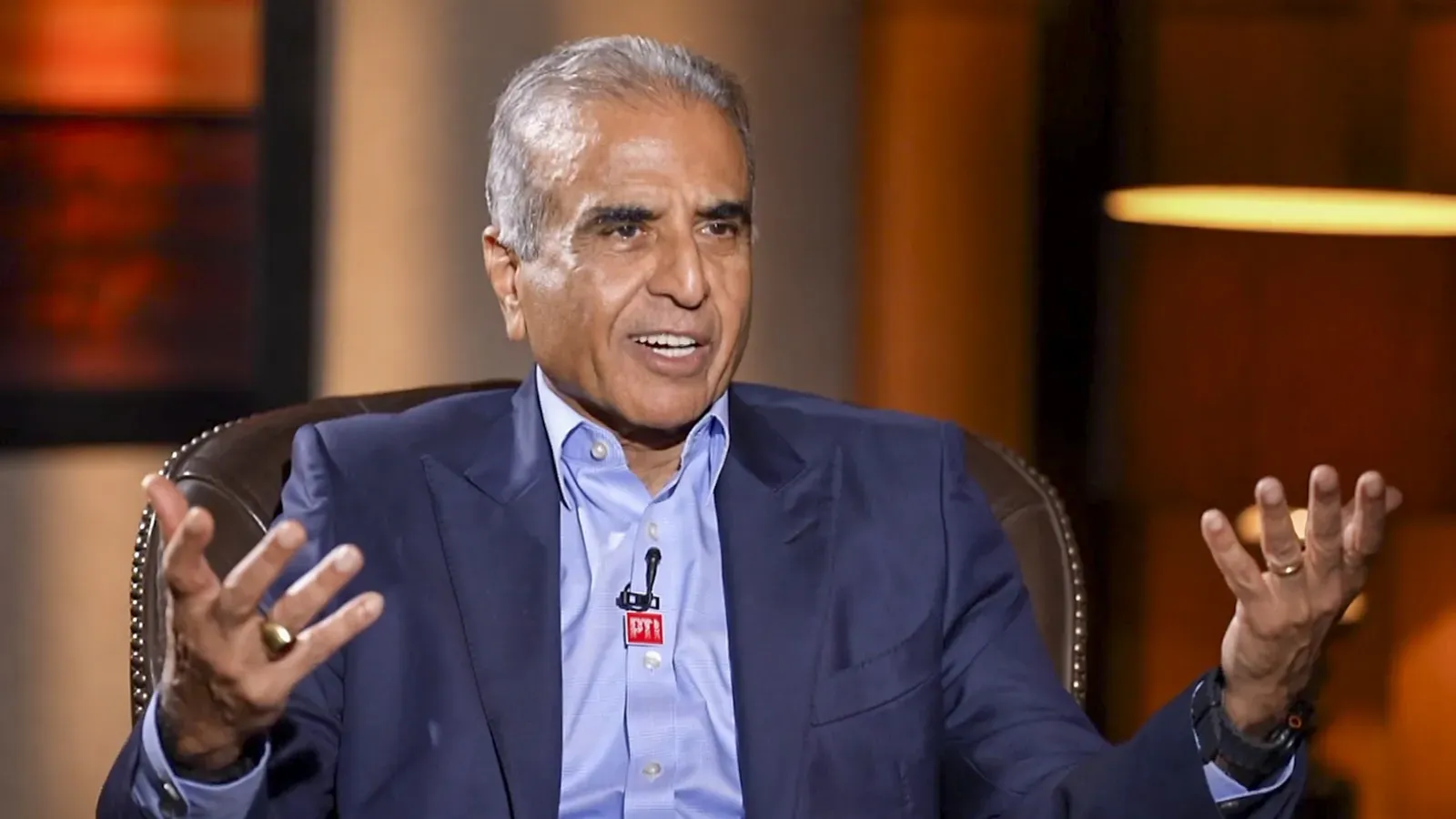
India must have control over satellite internet services operating within its borders, says Bharti Airtel founder Sunil Bharti Mittal. He stresses the need for a 'kill switch'—a mechanism to remotely disable or restrict satellite networks—to ensure national security and manage critical communication infrastructure.
- Sunil Bharti Mittal calls for India to control the 'kill switch' for satellite internet.
- Satellite internet providers like Starlink, Jio Satcom, and Eutelsat OneWeb have secured licenses in India.
- Control over satellite communication is vital due to increasing space-related security threats.
- India should avoid dependence on a single provider or country for satellite services.
- The government is conducting security assessments before allowing operations to begin.
What is the 'kill switch' for satellite internet?
The 'kill switch' refers to the ability to remotely disable or restrict satellite communication networks within a country. This control can be applied to specific areas or the entire nation. It is a critical security tool that allows a country to protect its communication infrastructure from external threats or misuse.
Why does Sunil Mittal want India to have this control?
Mittal highlights that warfare and security threats are increasingly moving into space. Technologies such as drones, cyber warfare, and guided missiles rely on space-based communication. Therefore, India must have the ability to secure its satellite communications to protect its national interests and maintain sovereignty over its space assets.
Which companies have licenses to provide satellite internet in India?
Three major companies have secured licenses to offer satellite communication services in India: SpaceX's Starlink, Reliance Jio's satellite venture Jio Satcom, and Bharti-backed Eutelsat OneWeb. These companies are in the process of meeting regulatory and security requirements before starting operations.
What are the concerns about satellite internet providers in India?
There have been public disputes, including comments from Elon Musk, CEO of SpaceX, alleging monopolistic practices blocking Starlink's entry into India. However, the Ministry of Communications has stated that all licensed companies are undergoing similar regulatory scrutiny, including security assessments, to ensure fair and secure operations.
How is the Indian government handling satellite internet regulation?
The government is finalizing a revenue-based charging framework and conducting security assessments for all licensed satellite internet providers. Spectrum will be assigned only after these steps are complete, ensuring that operations meet India's security and regulatory standards.
Why should India avoid dependence on a single satellite provider or country?
Mittal warns against relying on just one provider or country for satellite communications. Diversifying satellite internet providers helps safeguard critical infrastructure and data flows, reducing risks associated with monopolies or foreign control over essential communication networks.
Frequently Asked Questions
Q: What is the main purpose of a satellite internet 'kill switch'?
A: It allows a country to remotely disable or restrict satellite internet services to protect national security and control critical communication infrastructure.
Q: Which companies are licensed to provide satellite internet in India?
A: Starlink, Reliance Jio's Jio Satcom, and Bharti-backed Eutelsat OneWeb have secured licenses.
Q: Why is there a dispute involving Starlink in India?
A: Elon Musk has accused some Indian business interests of blocking Starlink to maintain monopolies, but the government says all providers are under equal regulatory scrutiny.
Q: What steps is the Indian government taking before allowing satellite internet operations?
A: The government is conducting security assessments and finalizing a revenue-based charging framework before assigning spectrum and permitting operations.