Adani Energy Solutions Ltd (AESL), through its subsidiary Powerpulse Trading Solutions Ltd (PTSL), has been awarded a significant renewable energy contract by West Bengal State Electricity Distribution Company Limited (WBSEDCL). The deal, announced on November 21, 2026, involves supplying 1,750 megawatts (MW) of round-the-clock renewable power for 25 years, with an option to increase capacity by an additional 750 MW.
Understanding Round-the-Clock Renewable Power
Round-the-clock renewable power refers to a continuous supply of electricity generated entirely from renewable sources, ensuring consistent availability regardless of weather or time of day. Unlike traditional renewable energy sources such as solar and wind, which can be intermittent, round-the-clock power integrates energy storage systems and diverse renewable technologies to provide a stable output. This approach addresses the challenge of variability in renewable energy generation, making it more reliable for grid operators and consumers.
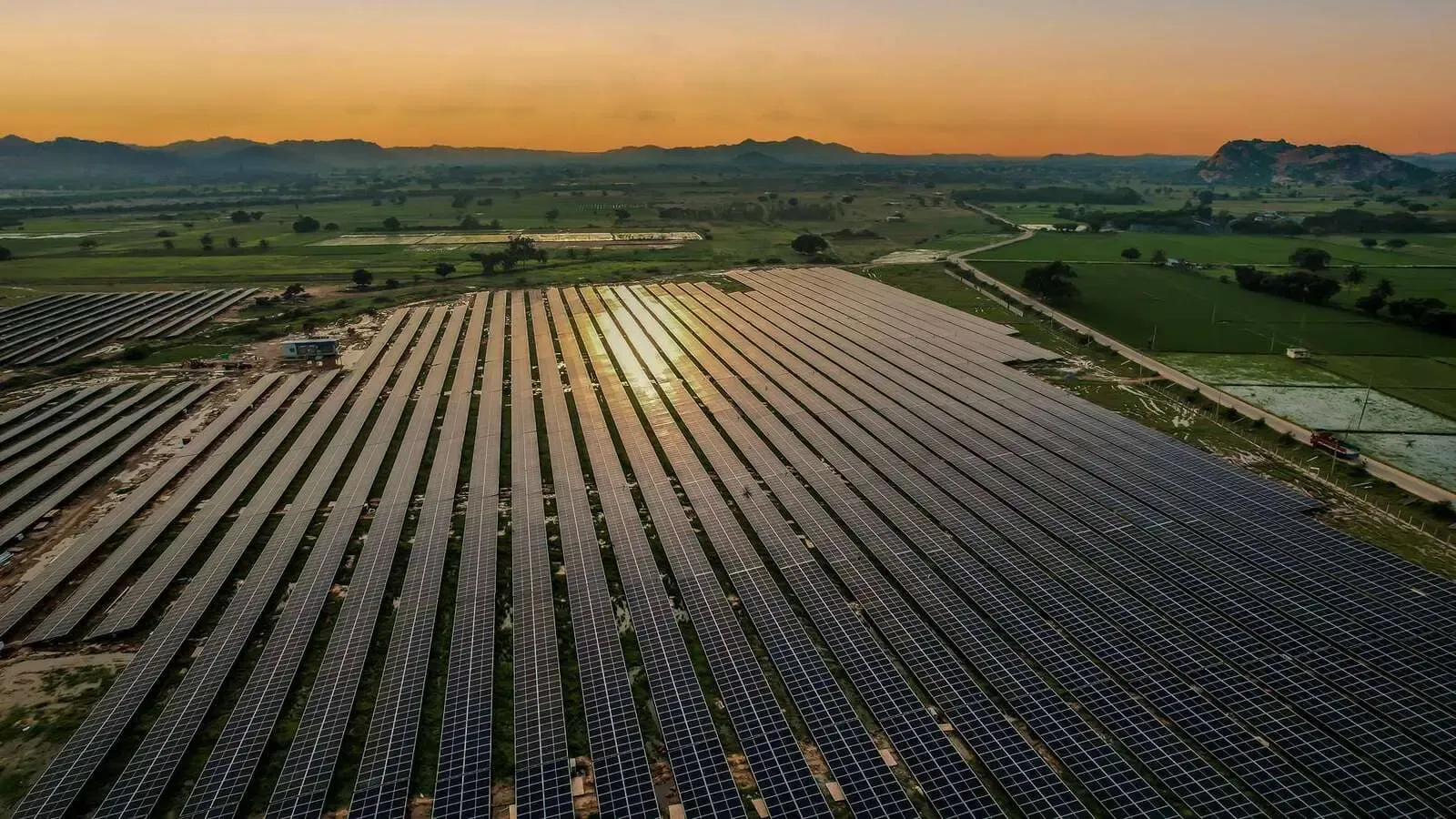
In this contract, AESL plans to combine solar and wind energy with battery storage systems to maintain a steady power supply. Battery energy storage plays a crucial role by storing excess energy generated during peak production times and releasing it when generation dips, thus smoothing out fluctuations and ensuring a dependable energy flow.
Details of the Contract and Supply Timeline
- The initial contract covers 1,750 MW of renewable energy supply to WBSEDCL over 25 years.
- There is a greenshoe option allowing WBSEDCL to increase the capacity by 750 MW, potentially raising the total to 2,500 MW.
- Supply of the initial 1,750 MW is scheduled to begin on July 1, 2028.
- If the additional 750 MW option is exercised, that supply will start on April 1, 2029.
- PTSL secured the contract through a competitive bidding process, including an electronic reverse auction, which typically drives prices down by encouraging suppliers to underbid each other.
- AESL has already arranged approximately 4.6 gigawatts (GW) of solar and wind capacity and 3.5 gigawatt-hours (GWh) of battery storage to support this supply commitment.
- The company also serves bulk consumers such as industries, data centers, commercial businesses, and other distribution utilities.
Why This Contract Matters for Renewable Energy in India
This agreement marks a significant step in India’s transition to cleaner energy sources. By securing a long-term contract for round-the-clock renewable power, West Bengal is investing in a more sustainable and reliable electricity supply. This move helps reduce dependence on fossil fuels and supports India’s broader climate goals.
Adani Energy Solutions’ approach of integrating large-scale solar and wind projects with battery storage demonstrates how renewable energy can overcome intermittency challenges. The use of battery systems capable of switching from standby to full power in under a second enhances grid stability and responsiveness to sudden changes in demand or supply.
Moreover, the competitive bidding process reflects the growing maturity and cost-effectiveness of renewable energy markets in India. As prices fall due to reverse auctions, renewable power becomes increasingly accessible and attractive to utilities and consumers alike.
Frequently Asked Questions
Q: What is round-the-clock renewable power?
A: It is a continuous supply of electricity generated entirely from renewable sources, supported by energy storage and diverse technologies to ensure availability at all times.
Q: How does battery storage help renewable energy?
A: Batteries store excess energy when production is high and release it when production is low, balancing supply and demand to provide steady power.
Q: What is a reverse auction in energy contracts?
A: A reverse auction is a bidding process where suppliers compete to offer the lowest price to win a contract, often resulting in reduced costs for buyers.