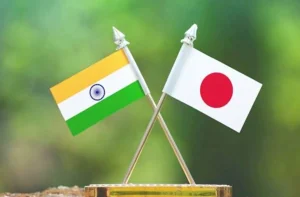
India and Japan are set to conduct the 4th edition of their 2+2 Ministerial Dialogue on November 18 and 19, 2026, in Tokyo. This high-level meeting will be co-chaired by India’s Defence Minister Rajnath Singh and External Affairs Minister S. Jaishankar alongside Japan’s Defence Minister Shinjiro Koizumi and Foreign Minister Toshimitsu Motegi. The dialogue aims to strengthen bilateral ties and address pressing regional and global security issues.
Understanding the India-Japan 2+2 Dialogue
The 2+2 Ministerial Dialogue is a strategic platform where the defence and foreign ministers of India and Japan meet to discuss matters of mutual interest, particularly in defence and security. This format allows for a comprehensive approach to bilateral relations, combining diplomatic and military perspectives. Since its inception, the dialogue has become a cornerstone of the growing partnership between the two countries, reflecting their shared vision for peace and stability in the Indo-Pacific region.
India and Japan have been deepening their cooperation amid rising geopolitical challenges, especially concerning maritime security and regional stability. The dialogue also aligns with the broader framework of the Quad, an informal strategic grouping that includes Australia, India, Japan, and the United States, focused on ensuring a free and open Indo-Pacific.
Key Topics on the Agenda
- Defence and Strategic Cooperation: The ministers will review ongoing collaborations in defence technology, equipment development, and joint military exercises involving the army, navy, and air force.
- Maritime Security: Discussions will emphasize securing vital sea lanes, including the Strait of Hormuz, a critical chokepoint for global energy supplies, where traffic separation schemes regulate ship movements to prevent conflicts.
- Regional Stability: Both countries aim to reaffirm their commitment to a rules-based order in the Indo-Pacific, promoting peace, inclusivity, and freedom of navigation.
- Defence Industrial Collaboration: Enhancing cooperation in defence manufacturing and technology sharing is expected to be a significant focus area.
Recent meetings between Defence Minister Rajnath Singh and his Japanese counterpart Shinjiro Koizumi in New Delhi and Cebu earlier in 2026 have set the stage for this dialogue, highlighting the momentum in bilateral defence ties.
Why This Dialogue Matters for Indo-Pacific Security
The India-Japan 2+2 Dialogue is more than a routine meeting; it reflects a strategic alignment between two major democracies in Asia. Their cooperation addresses shared concerns about regional security challenges, including the rise of assertive powers and the need to maintain open sea lanes crucial for global trade.
By focusing on defence-industrial collaboration and joint military exercises, the dialogue strengthens interoperability between the two countries’ armed forces, enhancing their ability to respond to crises. The emphasis on the Strait of Hormuz underscores the importance of safeguarding energy routes that impact not just Asia but the entire world economy.
This dialogue also signals a broader commitment to uphold international law and a rules-based order in the Indo-Pacific, countering efforts to alter the status quo through coercion. For India and Japan, working together through such platforms helps build a stable environment conducive to economic growth and regional cooperation.
Frequently Asked Questions
Q: What is the purpose of the India-Japan 2+2 Ministerial Dialogue?
A: The dialogue serves as a platform for India and Japan’s defence and foreign ministers to discuss and coordinate on strategic, defence, and regional security issues, strengthening bilateral ties.
Q: Why is the Strait of Hormuz important in this dialogue?
A: The Strait of Hormuz is a vital maritime chokepoint for global energy shipments. Ensuring its security is crucial for regional stability and uninterrupted energy supplies.
Q: How does this dialogue relate to the Indo-Pacific region?
A: The dialogue reinforces India and Japan’s commitment to a free, open, and inclusive Indo-Pacific, promoting peace and stability amid evolving geopolitical challenges.